
Whole House Surge Protector: What It Costs, When Code Requires It, and What It Protects
A whole-home surge protector mounts at your electrical panel and guards every circuit at once. Since the 2020 NEC, it's also required whenever a home's service equipment is installed or replaced.
Reviewed by John Ihle, MN Master Electrician (AM005101) · NABCEP-credentialed · iSolar, Saint Paul Park, MN · Last reviewed October 2026
The short answer: A whole house surge protector is a Type 1 or Type 2 surge protective device installed at or next to your main panel. The NEC has required one on services supplying dwelling units since 2020, including when service equipment is replaced. HomeAdvisor puts typical cost at $70 to $700, about $300 on average, and it protects electronics like furnace boards, inverters and EV chargers.
What a whole house surge protector does
A whole house surge protector, also called a whole home surge protector or surge protective device (SPD), is installed at your electrical panel. When a voltage spike arrives on the utility lines or is created inside the house, the device diverts the excess energy to ground before it travels down your branch circuits.
It's different from a plug-in power strip. A power strip protects whatever is plugged into it. A panel-mounted device protects the whole electrical system, including hardwired equipment that can't plug into a strip: the furnace control board, the air conditioner, a heat pump water heater, the range, an EV charger and solar inverters.
What it doesn't do: stop a direct lightning strike to the house, or protect phone, cable and network lines that enter the home separately. Those need their own protection at the point of entry.
When Minnesota code requires a whole house surge protector
The requirement lives in the National Electrical Code, Section 230.67. In the 2020 and 2023 editions it says, in short:
- All services supplying dwelling units must have a surge protective device.
- Location: the SPD must be part of the service equipment or located immediately adjacent to it, with an allowance for placing it at the next level of distribution equipment instead.
- Type: it must be a Type 1 or Type 2 SPD.
- Replacement: where service equipment is replaced, all of the requirements apply.
The 2023 edition added a minimum nominal discharge current rating of 10 kA and extended the rule to dormitory units, hotel and motel guest rooms, and patient sleeping rooms in nursing homes. The 2026 edition adds sleeping quarters in fire, police and similar public-safety facilities, applies the requirement to replacement manufactured homes, and covers feeder-supplied panels in some cases.
In Minnesota, the Department of Labor and Industry says electrical permits filed on or after Aug. 17, 2026, must comply with the 2026 NEC. In practice, that means:
| Your project | Surge protector required? |
|---|---|
| New home | Yes, at the service |
| Panel replacement or service upgrade | Yes, because service equipment is being replaced |
| Meter-main or service relocation | Typically yes; ask your electrician and inspector |
| Adding a circuit, EV charger or solar without replacing service equipment | Not by this rule, but often a good idea |
| Existing home, no service work | No; it's optional |
If you're planning a panel upgrade for solar, an EV or a heat pump, budget for the SPD as part of that job. Our guide to electrical panel upgrades for solar covers the rest of that work.
Type 1 vs. Type 2 vs. Type 3 surge protectors
SPDs are classified by where they're allowed to connect. NEC Article 242 sets the rules.
| Type | Where it connects | Common home use |
|---|---|---|
| Type 1 | At the service; may be installed on the line side of the main disconnect | Meter-main combos, outdoor service equipment |
| Type 2 | Load side of the service disconnect, usually a two-pole breaker slot in the main panel | The typical whole house surge protector in an existing panel |
| Type 3 | Load side of branch-circuit protection, at the point of use | Plug-in strips and receptacle-type protectors for TVs and computers |
For most homes either a Type 1 or a Type 2 device at the main panel meets the code. Type 3 devices don't satisfy 230.67 on their own, but they work well as a second layer for sensitive electronics. Panel manufacturers make SPDs that fit their own breaker slots, which keeps the installation clean and the leads short.
Whole house surge protector cost
HomeAdvisor's national cost data puts a whole-house surge protector at $70 to $700, with a national average around $300. It lists Type 1 and Type 2 devices at about $50 to $250 each, with electrician labor making up roughly half of the job.
What moves the price:
- Panel space. A plug-on Type 2 device needs two open spaces. A full panel may need circuits combined or a different device style.
- Bundled work. Added during a panel upgrade, solar install or EV charger job, the incremental cost is small because the electrician is already in the panel.
- Device rating. Higher surge-current ratings and devices with status indicators or replaceable modules cost more.
Twin Cities quotes vary; we price on site, and it's often a modest add-on to other electrical work.
Is it worth it when code doesn't require it?
For an existing home with no service work planned, a surge protector is optional. A simple way to decide: add up the hardwired electronics you'd have to replace or repair after a bad surge. A furnace board, an inverter, a charger and a couple of appliance control boards can easily total more than the device and installation. If that list is long, the protector is inexpensive insurance. If your home is mostly older, non-electronic equipment, it's lower priority, and point-of-use strips for TVs and computers may be enough for now.
Also read your homeowners policy for how it treats surge damage to appliances and electronics, so you know what you'd be paying out of pocket after a surge.
What it protects in a modern Minnesota home
The case for a surge protector has grown as homes have filled with electronics on hardwired circuits:
- Furnace and boiler control boards. A failed board on a January night is an emergency service call.
- Solar inverters and microinverters. They include internal surge protection, but a service-level SPD adds another layer between the utility and your equipment. See solar and lightning for how arrays are grounded and bonded.
- EV chargers. A charger is an expensive, always-connected electronic device on a large circuit.
- Heat pumps and heat pump water heaters. Variable-speed compressors and control boards are sensitive; see our heat pump water heater guide.
- Standby generators and transfer switches. Switching events can create surges, which is one more reason to include an SPD when the service is being reworked. See Generac generator cost for what else that work involves.
Installation notes from our electricians
- Short leads matter. The longer and loopier the conductors between the SPD and the bus, the less well it clamps a surge. A breaker-slot device or a short, straight run is better.
- Grounding has to be right. An SPD diverts energy to ground. A missing or corroded grounding electrode connection undermines it.
- Check the indicator. Many devices have a status light. If it goes out after a storm, the device did its job and may need replacing.
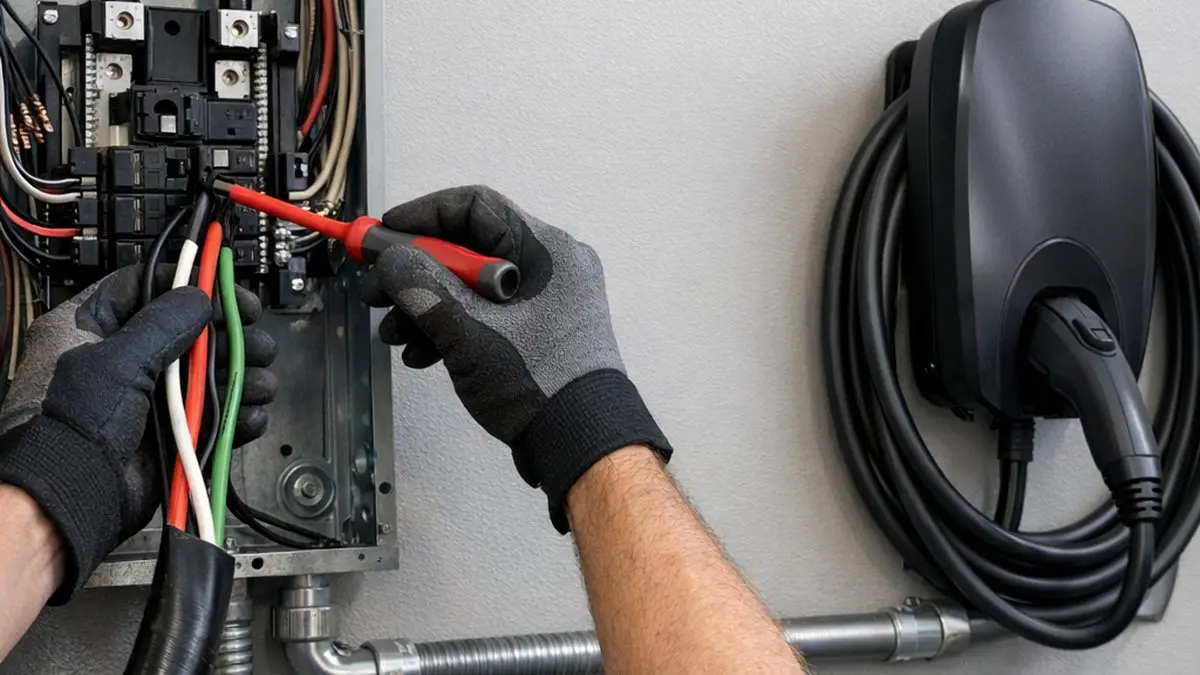
- It's electrical work. Installing an SPD means working inside the panel. In Minnesota that's a licensed electrician's job with a permit.
Add surge protection the easy way
If you're already planning a panel upgrade, solar, a battery or an EV charger, that's the cheapest time to add a whole house surge protector. Talk to iSolar's electrical team, or contact us to add one to your existing panel.
Sources
- Leviton — NEC Code Requirements for Surge Protection (230.67 and Article 242)
- Schneider Electric — 2023 National Electrical Code changes for surge protection
- RectorSeal — 2026 NEC Surge Protection Expansion: What Contractors Need to Know
- Minnesota Department of Labor and Industry — Electrical contractors (2026 NEC effective Aug. 17, 2026)
- HomeAdvisor — Whole-House Surge Protector Cost
Frequently asked.
Is a whole house surge protector required by code?
Yes for new services supplying dwelling units and whenever service equipment is replaced, under NEC 230.67 since the 2020 edition. Minnesota permits filed on or after Aug. 17, 2026, follow the 2026 NEC, which keeps that requirement.
How much does a whole house surge protector cost?
HomeAdvisor's national data puts it at $70 to $700, about $300 on average, with the device itself around $50 to $250. It costs least when added during other panel work.
What is the difference between a Type 1 and Type 2 surge protector?
A Type 1 device can be installed at the service, including on the line side of the main disconnect. A Type 2 device connects on the load side of the service disconnect, usually in a breaker slot in the main panel. Either satisfies the code for homes.
Do whole house surge protectors really work?
They reduce voltage spikes that reach your branch circuits, protecting hardwired electronics. They can't stop a direct lightning strike and don't cover cable or phone lines, so pair them with point-of-use protection for sensitive equipment.
Do I need a surge protector for solar panels?
Inverters include internal surge protection, and code doesn't require a service SPD just for adding solar. Many owners add one anyway, and it's required if the solar project replaces service equipment.
Can I install a whole house surge protector myself?
It mounts inside the electrical panel, so in Minnesota it should be installed by a licensed electrician with a permit. Short leads and good grounding are essential for it to work.


Have a question we haven't covered?
Talk to a local iSolar expert — free, no pressure. Call (651) 565-1140.